
Discover Tanzania
A land of extraordinary natural beauty, rich cultural heritage, and unparalleled wildlife experiences

The Heart of East Africa
Tanzania, home to over 60 million people, is a vibrant East African nation renowned for its breathtaking landscapes, diverse wildlife, and rich cultural tapestry. Spanning 947,303 square kilometers, it offers visitors an unparalleled blend of experiences from the iconic Mount Kilimanjaro to the vast plains of the Serengeti.
As one of Africa's most peaceful countries, Tanzania welcomes over 1.5 million international tourists annually who come to witness the Great Migration, climb Africa's highest peak, relax on the pristine beaches of Zanzibar, or immerse themselves in the traditions of the country's 120+ ethnic groups.
Whether you're seeking adventure, cultural immersion, or simply a connection with nature, Tanzania offers endless possibilities for the discerning traveler.
Natural Wonders

Mount Kilimanjaro
Standing at 5,895 meters (19,341 feet), Mount Kilimanjaro is Africa's highest peak and the world's tallest free-standing mountain. This dormant volcano attracts over 50,000 climbers annually who attempt to reach Uhuru Peak, the highest point. With its snow-capped summit rising above the savannah, Kilimanjaro offers one of the most dramatic and accessible high-altitude climbs in the world.

Serengeti National Park
The Serengeti ecosystem hosts the largest terrestrial mammal migration in the world, where over 1.5 million wildebeest, 200,000 zebras, and 300,000 Thomson's gazelles journey in search of fresh grazing lands. This UNESCO World Heritage Site spans 14,750 square kilometers and is home to the highest concentration of large mammals on the planet, including the "Big Five" - lion, leopard, elephant, buffalo, and rhinoceros.

Ngorongoro Crater
The world's largest intact volcanic caldera forms a natural enclosure for approximately 25,000 large animals, creating one of the highest densities of wildlife in Africa.

Zanzibar Archipelago
With its pristine white-sand beaches, turquoise waters, and rich cultural heritage, Zanzibar offers the perfect complement to a safari or mountain trek.

Lake Manyara
Famous for its tree-climbing lions and vast herds of buffalo, this alkaline lake and surrounding national park showcase Tanzania's diverse ecosystems.
Rich Cultural Heritage
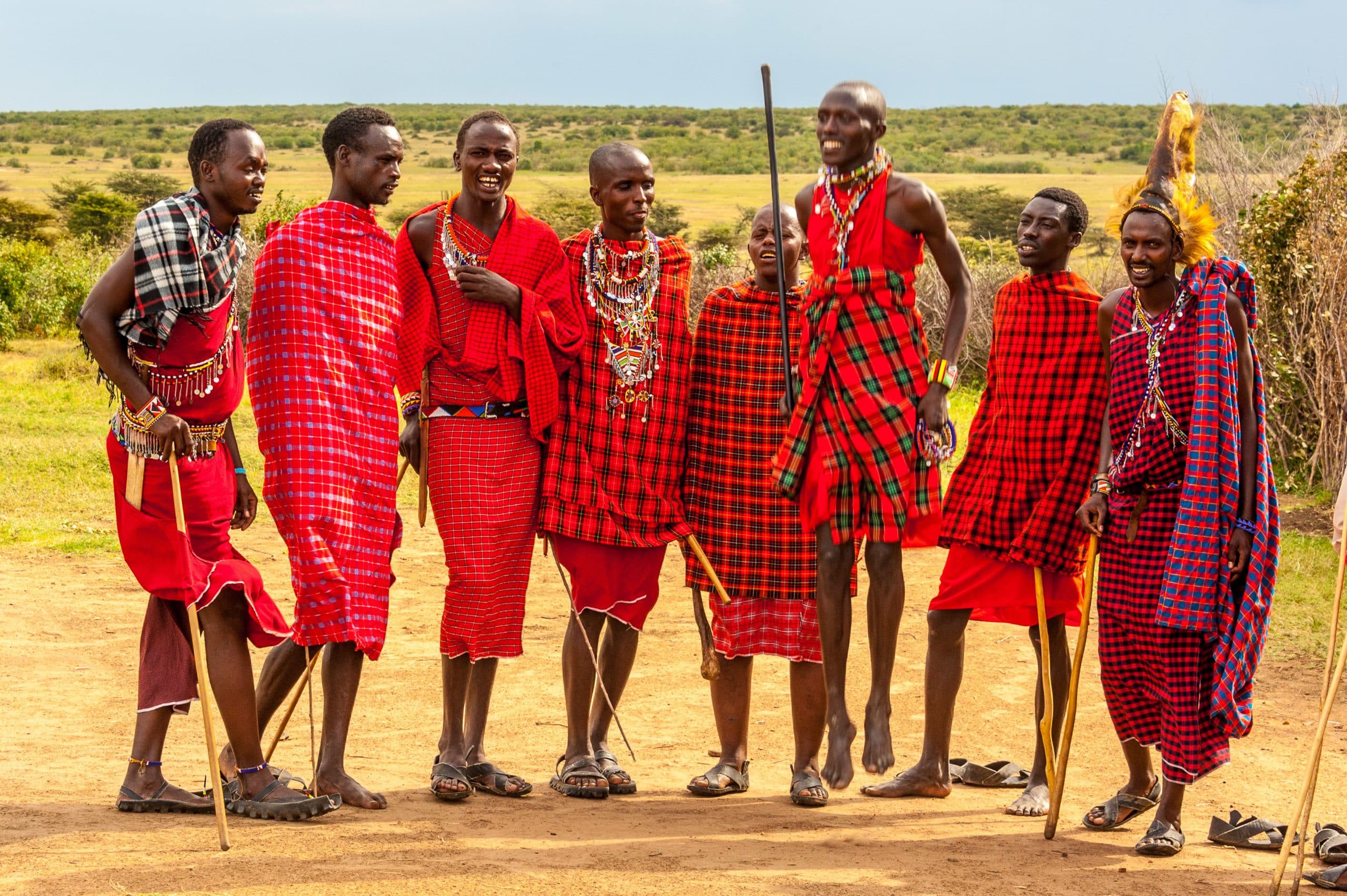
A Tapestry of Traditions
Tanzania is home to over 120 ethnic groups, each with their own language, customs, and traditions. The Maasai, Chagga, Sukuma, and Hadzabe are just a few of the diverse communities that contribute to Tanzania's rich cultural landscape.
The Maasai people, with their distinctive red clothing, intricate beadwork, and famous jumping dance (adumu), have maintained their traditional semi-nomadic lifestyle despite modern influences. The Chagga, who live on the slopes of Mount Kilimanjaro, are known for their advanced agricultural techniques and elaborate irrigation systems dating back hundreds of years.
In the Ngorongoro Conservation Area, the Hadzabe people continue to practice one of the last remaining hunter-gatherer lifestyles on earth, using methods unchanged for thousands of years. Cultural tourism initiatives throughout Tanzania offer visitors authentic opportunities to engage with these communities in respectful, mutually beneficial ways.
Essential Travel Information
Best Time to Visit
Dry Season (June-October): Ideal for wildlife viewing as animals gather around water sources. Perfect for safari and Kilimanjaro climbing.
Green Season (November-May): Lush landscapes, fewer tourists, and excellent bird watching. The Great Migration calving season occurs in February in the southern Serengeti.
Zanzibar: Enjoys warm temperatures year-round, with the best beach conditions from June to October and December to February.
Getting Around
Safari Circuit: Most visitors explore the northern safari circuit (Serengeti, Ngorongoro, Tarangire, Lake Manyara) with a licensed tour operator in a 4x4 vehicle.
Domestic Flights: Several airlines offer connections between major destinations, saving time when covering long distances.
Public Transport: Buses connect major cities, while dalla-dallas (minibuses) serve local routes. For authentic experiences, but not recommended for tight schedules.
Practical Tips
Language: Swahili is the national language, but English is widely spoken in tourist areas.
Currency: Tanzanian Shilling (TZS), though USD is accepted in many tourist establishments.
Visa: Most visitors require a visa, available on arrival or in advance through Tanzanian embassies.
Health: Yellow fever vaccination may be required. Malaria prophylaxis recommended for most regions.
Conservation & Sustainable Tourism
Tanzania has dedicated approximately 38% of its land to conservation, including 22 national parks, the Ngorongoro Conservation Area, and numerous game and forest reserves. This commitment to preserving natural habitats has made Tanzania a global leader in conservation efforts.
The Tanzania National Parks Authority (TANAPA) works to balance ecosystem protection with sustainable tourism development. Revenue from park fees directly supports conservation initiatives, anti-poaching efforts, and community development projects in buffer zones around protected areas.
Responsible tourism operators like Peter Tours prioritize environmental sustainability through practices such as proper waste management, supporting local conservation organizations, and educating visitors about the importance of preserving Tanzania's natural heritage for future generations.